
Best Mountain Bike Rear Shocks: Top Picks for Smooth Rides
There’s nothing more frustrating than hitting a rough trail and feeling every bump shake your whole bike. Your ride gets uncomfortable fast.
It’s hard to enjoy the adventure when your back and arms are sore before you even reach the end. That’s where the right rear shock makes all the difference. A good mountain bike rear shock smooths out the bumps and gives you better control.
Suddenly, your rides feel easier and more fun. You can focus on the trail instead of the pain. If you’ve been struggling with rough rides, don’t worry. I’ll share the best mountain bike rear shocks that can change your experience. Keep reading to find the perfect one for your bike and enjoy every ride like never before.


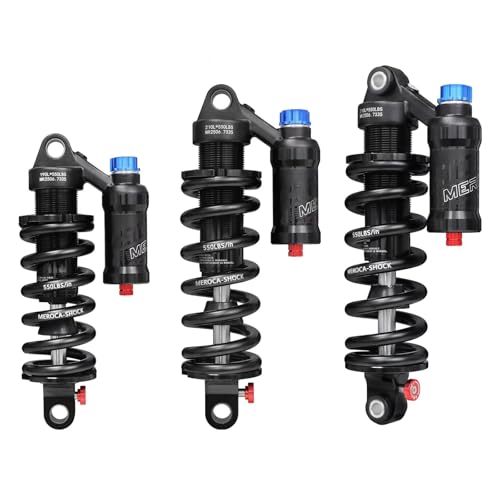


Buying Guide On Best Mountain Bike Rear Shocks
1. Understand Your Riding Style
Choose a shock that matches your mountain biking style. Cross-country riders need lighter shocks. Downhill riders need stronger, more durable ones. Trail riders want a balance between weight and strength.
2. Check Shock Travel Length
Shock travel affects bike comfort and control. Short travel suits smooth trails. Longer travel helps on rough, rocky paths. Match the shock travel to your bike’s frame and terrain.
3. Consider Shock Type
Air shocks are lighter and easier to adjust. Coil shocks provide better support for heavy riders. Decide based on your weight and riding needs.
4. Look at Adjustability Features
Adjustable rebound and compression improve ride quality. They let you control how the shock responds. More adjustments mean better tuning for different trails.
5. Check Compatibility with Your Bike
Confirm the shock fits your bike’s frame size and mounting style. Measure eye-to-eye length and stroke length. Wrong size shocks can cause poor performance.
6. Review Weight of the Shock
Lighter shocks make climbing easier. Heavier shocks often last longer and handle rough terrain better. Balance weight with durability for best results.
7. Consider Maintenance Needs
Some shocks need more care than others. Air shocks require regular air pressure checks. Coil shocks need less frequent servicing but can be heavier.
8. Set a Budget
Higher price usually means better quality and features. Good shocks are an investment for safety and performance. Choose one that fits your budget but does not compromise safety.
9. Read User Reviews
Reviews give real-world insights on shock performance. Look for comments on durability, comfort, and ease of adjustment. Avoid shocks with many negative reviews.
10. Test Before Buying
Try the shock on your bike if possible. Feel how it handles bumps and turns. Testing helps ensure you pick the right shock for your needs.
Conclusion
Choosing the right rear shock can greatly improve your mountain biking experience. A good shock absorbs bumps and keeps your ride smooth. This helps you stay in control on rough trails. Think about your riding style and the terrain you face.
Make sure the shock fits your bike and meets your needs. Quality and durability matter for long-term use. Don’t forget to check for easy adjustments and maintenance. Taking time to pick the best rear shock pays off with better comfort and performance.
Enjoy every ride with less fatigue and more fun. Your bike will handle trails better, giving you confidence and safety. A well-chosen rear shock is a smart upgrade for any mountain biker. Keep these points in mind to find the best option for your adventures.